Biacore and Octet technologies are both great tools for scientists to look at biomolecular interactions as they happen but they go about it in different ways. Biacore uses Surface Plasma Resonance (SPR) for super-sensitive, label free detection and Octet goes with Bio-Layer Interferometry (BLI) for high-throughput and budget friendly analysis.
It depends on your program’s aims and how you set up your experiments. Biacore is excellent for precision kinetics and detailed affinity measurements especially in lead optimization or mechanistic studies. Octet provides quicker throughput more straightforward workflow integration and reduced consumable costs, making it perfect for early stage screening or QC assays.
Knowing these key differences can help researchers match their assay strategy with development goals, saving time and resources. A good platform can make decision making easier, lower risks and speed up the journey from discovery to validation.
Are you curious which binding assay better fits your workflow? Keep reading to explore key differences, data quality insights and expert recommendations.
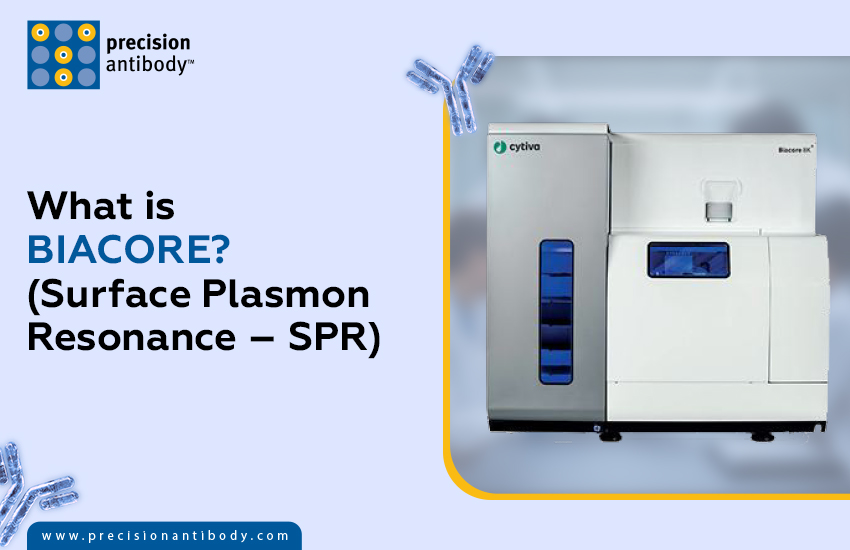
Biacore is a cool SPR-based platform that lets you measure molecular interactions in real time, and the best part? No labels needed! It picks up even the tiniest changes in refractive index when molecules attach to the sensor surface, giving you detailed kinetic insights crucial for making informed decisions in drug discovery.
It brings together precision engineering and reliable performance, ensuring you get consistent and reproducible data no matter the molecular weights or sample types you’re working with. Biacore is super reliable and well known around the world making it a must have for research that needs top notch accuracy and validation.
Key advantages of Biacore:
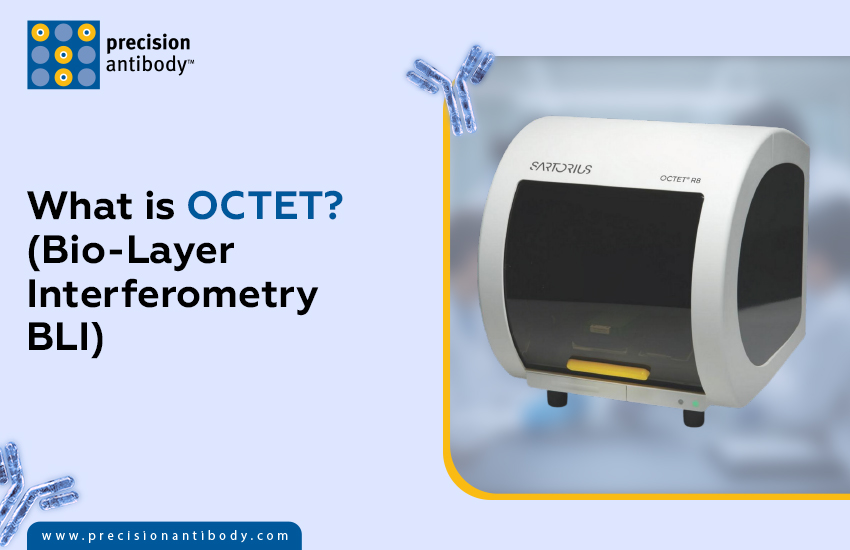
Octet measures biomolecular interactions using Bio-Layer Interferometry (BLI) which works by analyzing light interference on a sensor tip. This method which doesn’t require labels lets scientists gather binding data quickly and efficiently. It’s especially great for programs that need to screen multiple candidates at the same time.
Octet stands out from traditional systems because it offers great sample flexibility and requires minimal preparation. This makes it super easy to work with complex or unpurified materials all while keeping the data quality high. It’s a smart pick for researchers looking to juggle speed, flexibility and cost-effectiveness in their work processes.
Key advantages of Octet:
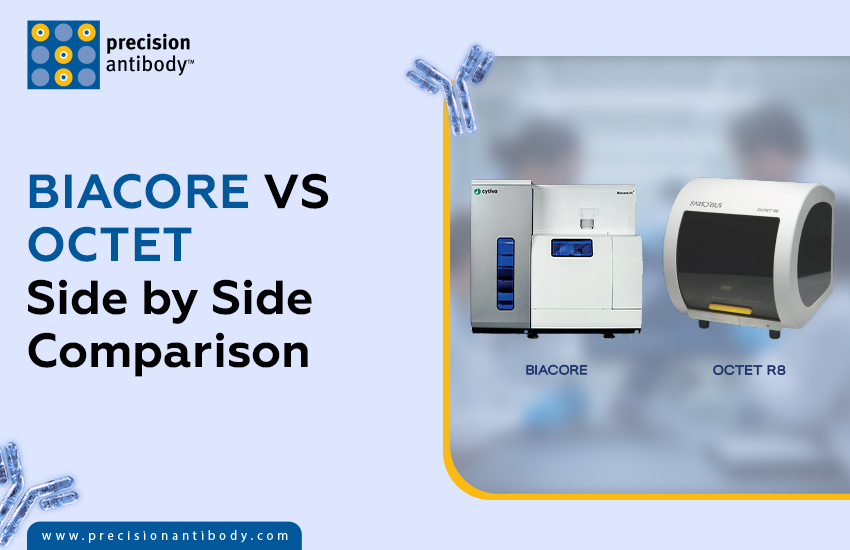
Both Biacore and Octet bring unique strengths to binding analysis and the best choice depends on your experimental needs and stage of development. Biacore leads in sensitivity and regulatory acceptance while Octet offers unmatched throughput and affordability helping researchers select the right system for each phase of antibody development.
| Feature | Biacore (SPR) | Octet (BLI) |
|---|---|---|
| Sensitivity | Extremely high; it detects small molecules with precision. | Moderate; suitable for mid- to large-molecule detection. |
| Sample Requirement | Requires purified samples for accuracy. | Handles crude or unpurified samples directly. |
| Throughput | Lower throughput, ideal for detailed kinetic studies. | Higher throughput, ideal for large-scale screening. |
| Regulatory Recognition | Widely accepted as the gold standard for submissions. | Less formal recognition but increasingly adopted. |
| Cost | Higher operational and consumable costs. | Lower running costs and flexible setup. |
| Best Use Case | Lead optimization, affinity analysis and validation studies. | Early discovery, screening and QC applications. |
Before choosing a binding platform researchers should consider their study’s purpose, its status and the kind of data they need. These questions help align the assay with workflow efficiency and regulatory expectations, ensuring that every experiment contributes to the program’s long term success.
Key questions to ask:
At Precision Antibody, our team has years of experience in designing, executing and interpreting binding assays that fit each client’s development goals. We make sure that every step from setting up assays to delivering data is clear, reproducible and fast whether you’re validating a lead molecule or generating regulatory grade data.
Our key strengths include:
We’re here to provide complete assay support and valuable scientific insights, helping biopharma teams feel confident in making decisions backed by solid data. Team up with Precision Antibody to take your antibody program to the next level with trustworthy, publication quality binding data.
Q1: What is the difference between a binding assay and a functional assay?
A binding assay looks at how well and specifically an antibody attaches to its target. It gives us important details like the rates at which it associates and dissociates. A functional assay looks at how that binding actually affects things biologically like whether it activates a receptor, inhibits it or triggers some downstream cellular effects.
Q2: What are the techniques used in binding assays?
Several analytical platforms are used for binding assays, each offering distinct advantages regarding sensitivity, speed and data depth. The most commonly used techniques include:
These techniques provide complementary insights into affinity, specificity and kinetics ensuring robust decision making across research and development stages.
Q3: What are the two binding types of assays?
There are two types of binding assays equilibrium assays and kinetic assays. Equilibrium assays look at steady state binding to figure out affinity constants, whereas kinetic assays track association and dissociation as they happen giving us a more dynamic perspective on how molecules interact and how stable those bindings are.