Choosing the right partner for antibody production and purification really matters. It impacts data quality, timelines, and overall success. Your partner should have the technical skills and really understand your scientific goals, adjusting their processes to support you all the time.
Service providers really know their stuff, handling everything from expression systems and purification strategies to quality control and scalability. Getting the right questions out there early on can help identify risks, keep everyone on the same page, and safeguard your project from expensive delays or having to redo work.
If you really pay attention, you can see just how open, adaptable, and cooperative a partner can be. The factors can definitely affect how smoothly your antibody program moves along or if it runs into any unnecessary bumps in the road later on.
Keep reading to find out some key questions that will help you assess antibody production and purification partners, making it easier to choose one that boosts your research instead of holding it back.
Antibody production quality is super important for making sure assays are reliable and consistent, not to mention their effectiveness in therapy. Issues such as low purity, aggregation, or inconsistent yields can really impact binding data, hinder validation, and shake confidence in preclinical or clinical results.
Not having enough production and purification can bring about some hidden risks that might pop up later, like differences between batches, endotoxin contamination, or lower activity. These issues can really slow down troubleshooting, create more regulatory hurdles, and increase cost, which could throw off timelines and lessen the effectiveness of antibody programs.
Understanding your partner’s knowledge about antibody formats and expression systems is key to making sure your project picks the right platforms. This way, you can enhance functionality, scalability, and downstream applications while also minimizing risks such as misfolding, low yield, or inconsistent performance.
Ensuring consistency from one batch to another is essential in biologics, as any variability can impact binding behavior, assay outcomes, and the effectiveness of the therapy. A dependable partner needs to adhere to established workflows, proven processes, and rigorous quality controls to provide antibodies that consistently deliver reliable results throughout various studies and development phases.
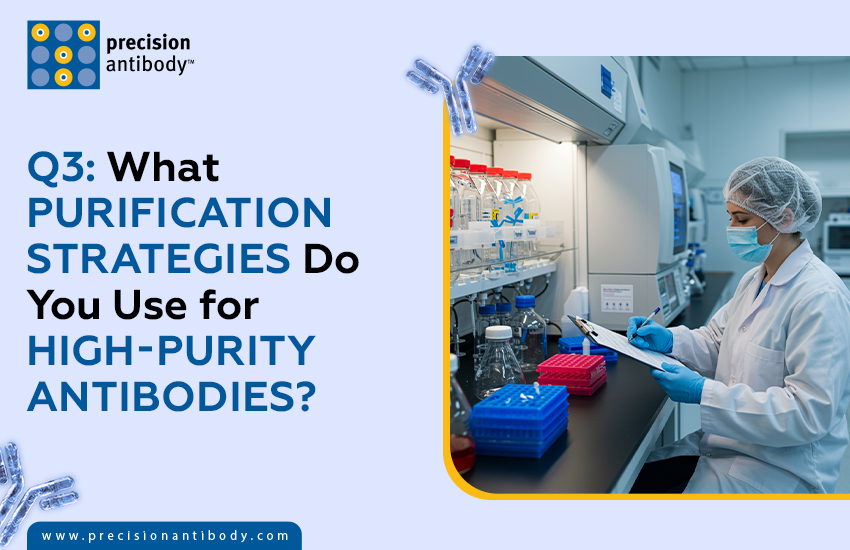
Purification is super important for keeping antibodies stable, specific, and effective in the later stages. A good partner should really focus on using advanced multi-step purification methods that go beyond just simple affinity capture. This way, they can ensure high purity while also keeping the integrity and biological activity of the antibody intact.
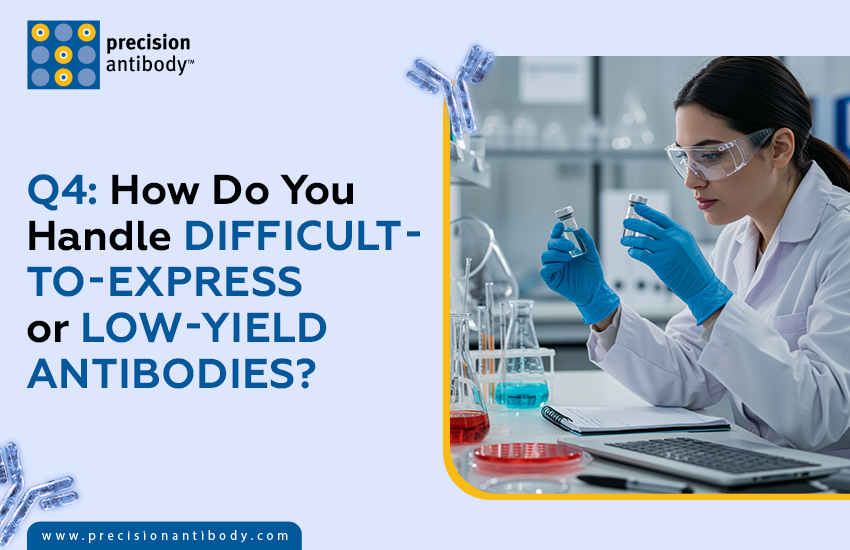
Some antibodies come with challenges in expression or stability that need creative solutions. A good partner should actively enhance processes, conditions and purification methods to boost yield and functionality while maintaining quality, timelines, and consistency throughout development stages.
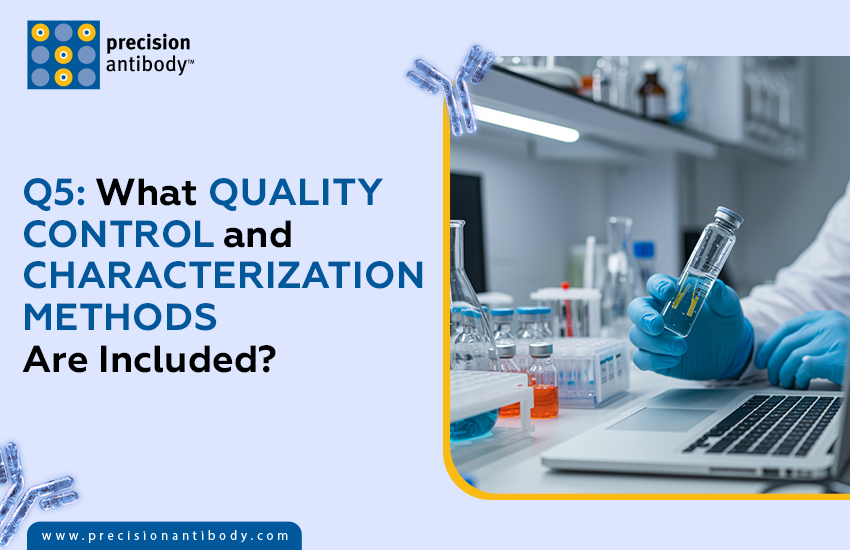
Thorough quality checks and characterization ensure that antibodies fulfill identity, purity, and functional standards before they are used. A dependable partner offers trustworthy analytical data that helps confirm performance, minimize risk, and enable confident decision-making during research, development, and translational processes.
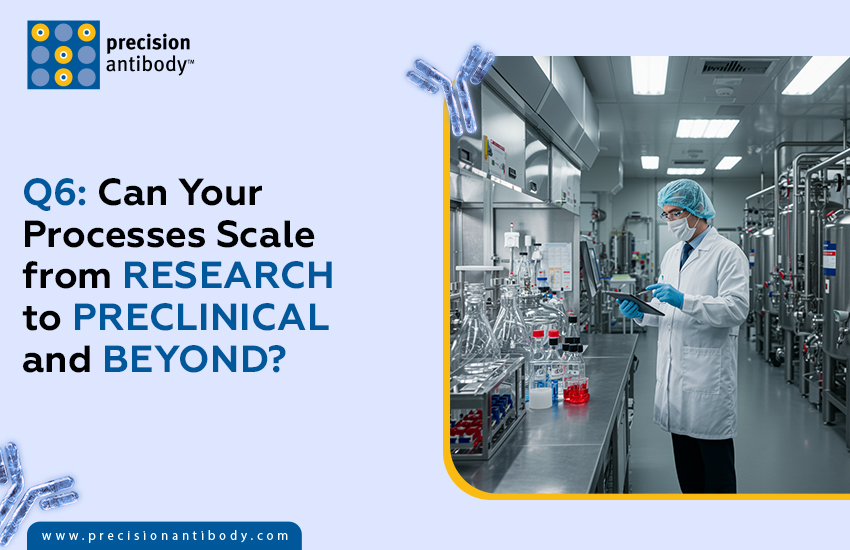
Scalability allows early antibody candidates to move forward smoothly, avoiding redevelopment or delays. A great partner creates production and purification workflows that seamlessly move from small-scale research to larger preclinical volumes, ensuring quality, consistency, and performance as needs grow.
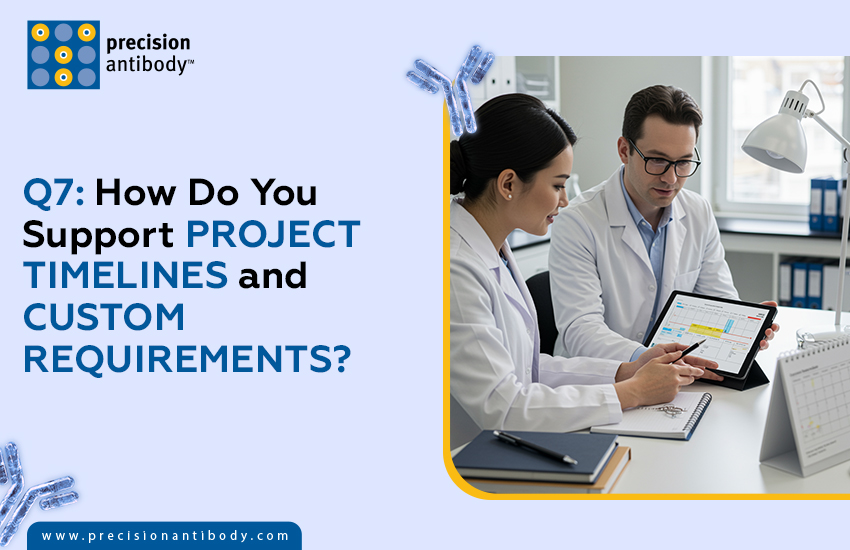
To meet deadlines while addressing individual research or therapeutic needs, it’s essential to communicate clearly, be transparent, and manage projects proactively. A reliable partner brings together resources, timelines, and processes to match client goals, helping projects move forward smoothly while maintaining quality and adaptability.

Precision Antibody combines expertise, cutting-edge technology, and personalized support to deliver high-quality antibodies that fit your research and therapeutic needs perfectly. We make it a point to ensure that every project runs smoothly with thorough quality checks and adaptable production strategies.
Are you on the hunt for a partner to enhance your antibody programs, someone who really prioritizes quality, consistency, and teamwork? Get in touch with Precision Antibody today and kick off your journey toward smooth production and purification that enhances your scientific achievements.
Q1: What are the factors affecting antibody production?
The choice of expression system, the health of the cells, the design of the construct, the growth conditions, and the purification procedures all affect how many antibodies are made. Each element affects yield, functionality, and reproducibility; therefore, careful optimization is necessary to make high-quality antibodies that can be used for research or medical purposes.
Q2: What are the challenges in monoclonal antibody production?
Producing monoclonal antibodies is hard since the yield is low, the antibodies don’t fold correctly, they clump together, and the batches are different from each other. Also, choosing the correct host cells, making sure they stay stable, and keeping them working during scale-up might make development harder and cost more.
Q3: What are the challenges of antibody engineering?
Changing sequences to make antibodies more specific, more likely to bind, or less likely to cause an immune response is what antibody engineering is all about. Challenges include maintaining stability and function, forecasting structural effects, and finding a balance between effectiveness and ease of manufacture to satisfy research or therapeutic needs.