Epitope binning is a crucial step in antibody discovery and it helps in the selection and differentiation of lead antibodies by showing competitive binding relationships. With larger and more complex antibody panels, sophisticated binning algorithms are needed to produce easy-to-understand decision-ready interaction maps that aid strategic project decisions.
The epitope binning has been transformed by label-free systems like the Biacore and the Octet which allow real-time, high-throughput analysis of epitope interactions. The technologies uphold a wide variety of binning formats, making the teams derive more mechanistic information than mere competitive-binding classification.
With an appropriate application mix, more sophisticated methods of binning can give the teams the confidence in the rankings of the candidate, eliminating the ambiguity and enabling more confident downstream decisions. However, extracting reliable insights depends on platform selection, assay design, and thoughtful data interpretation aligned with discovery objectives.
This blog explores advanced epitope binning strategies using Biacore and Octet platforms, highlighting how optimized assay design and data analysis can strengthen antibody differentiation and support confident progression decisions throughout discovery and early development.
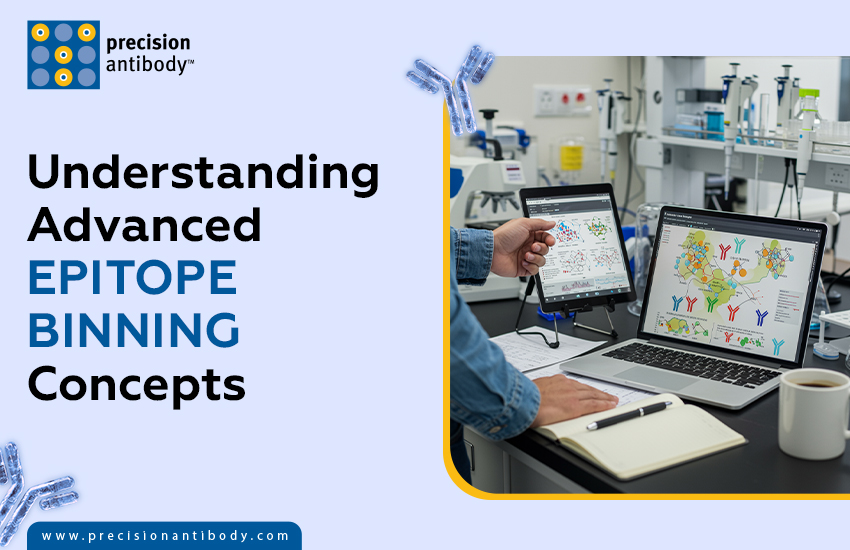
Advanced epitope binning enables effective antibody differentiation, allowing teams to feel more powerful and self-assured in early-stage screening. The knowledge of these concepts will allow more informed assay design and more insightful interpretation of interaction data, enabling proactive and data-driven decision-making.
Advanced epitope binning computes competitive and non-competitive relations among antibodies against the same antigen. In addition to confirming binding, it demonstrates an epitope overlap, steric hindrance, and functional clustering, which can assist teams in selecting unique candidates, and select antibodies with discriminated mechanisms of action.
Epitope binning categorizes antibodies based on relative binding competition, while epitope mapping defines precise binding residues or regions. Binning supports rapid screening and ranking, whereas mapping provides structural detail, making both approaches complementary rather than interchangeable in antibody discovery workflows.
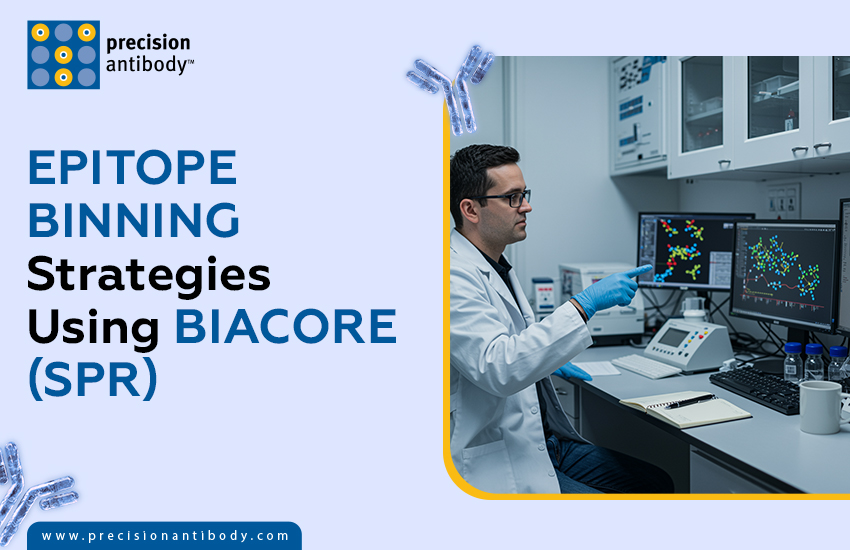
Biacore surface plasmon resonance allows real-time binding interactions to be monitored at controlled kinetic conditions to permit binning of epitopes in high resolution. Its sensitivity allows it to be examined in a detailed way to competitive binding relationships and as such, it is a strong platform to be used in advanced epitope characterization in antibody discovery programs.
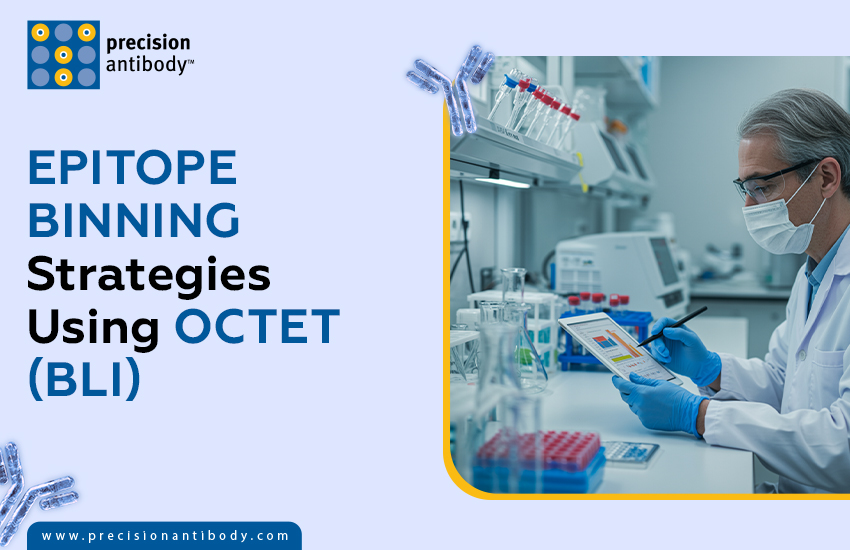
Octet bio-layer interferometry makes flexible and scalable epitope binning possible through parallel interaction analysis without regenerating surfaces. It has throughput and assay flexibility that would be useful in screening large antibody panels and retaining credible competitive binding classification.
Advanced epitope binning reduces late-stage attrition by identifying truly differentiated antibodies early in discovery. Through making competitive binding relationships clear, teams are able to avoid promoting redundant candidates, prioritizing resources towards unique mechanisms, make more confident progression decisions ahead of costly preclinical and clinical investments, and effectively de-risk therapeutic programs.
In addition to selecting candidates, advanced binning is used in the complex antibody modalities and strategic planning. Detailed epitope differentiation informs bispecific and multispecific design, while also strengthening intellectual property positioning and freedom-to-operate by clearly defining epitope uniqueness in crowded therapeutic landscapes.
Precision Antibody delivers advanced epitope binning services by combining deep platform expertise with assay designs tailored to each discovery program. Our team supports your efforts, helping you feel confident in antibody differentiation and informed development decisions.
Precision Antibody offers de-risked antibodies discovery with highly sophisticated epitope binning, starting with early screening and ending with lead optimization. Get in touch with our team to talk about how tailored Biacore and Octet binning solutions can empower differentiation, speed up decision-making and develop confidence in your therapeutic development program.
Q1: What is the difference between BLI and Biacore?
BLI (Octet) and Biacore (SPR) are both label-free tools of interaction analysis. BLI is better suited to screening with higher throughput and Biacore is more sensitive to kinetics. The correct platform is chosen, which can guarantee efficient binning as well as differentiation of the candidates with confidence in antibody discovery.
Q2: What is the difference between epitope binning and mapping?
Epitope binning groups antibodies based on competitive binding relationships, helping rapidly differentiate and rank candidates during discovery. Epitope mapping identifies the exact binding site or residues on the antigen. While binning supports screening and decision-making, mapping provides structural insight, making the two approaches complementary rather than interchangeable.
Q3: Why is epitope prediction important?
Epitope prediction helps guide antibody design and screening strategies by anticipating binding regions on a target antigen. When combined with experimental epitope binning and mapping, prediction supports efficient candidate differentiation, informs engineering decisions and strengthens intellectual property strategy by highlighting unique or underexplored epitope space.